How to Prepare for Your First Pickleball Tournament | Best Pickleballs
Preparing for your first pickleball tournament requires more than basic playing skills—it demands thoughtful preparation, strategy, and the right mindset. Beginners should start by selecting an appropriate tournament bracket based on their skill level to ensure fair competition. Training should focus on drilling essential shots like the third-shot drop, kitchen dinks, and resets rather than casual play. Players should also build a simple doubles strategy with their partner to reduce decision-making pressure during matches.
Proper gear, including reliable paddles, supportive court shoes, and extra accessories, is essential for comfort and performance. Hydration, balanced nutrition, and early arrival for warm-up help maintain energy during long tournament days. Finally, managing nerves, playing high-percentage shots, and reflecting on each match allow players to learn from the experience and improve for future competitions.
#1 Pickball Paddles Set of 2 | #1 Pickball Paddles Set of 4 | #1 Pickball Single Paddle |
 3000+ Reviews Free Shipping at Amazon.com |  200+ Reviews Free Shipping at Amazon.com |  800+ Reviews Free Shipping at Amazon.com |
The Exciting (and Nerve-Wracking) World of Competitive Pickleball
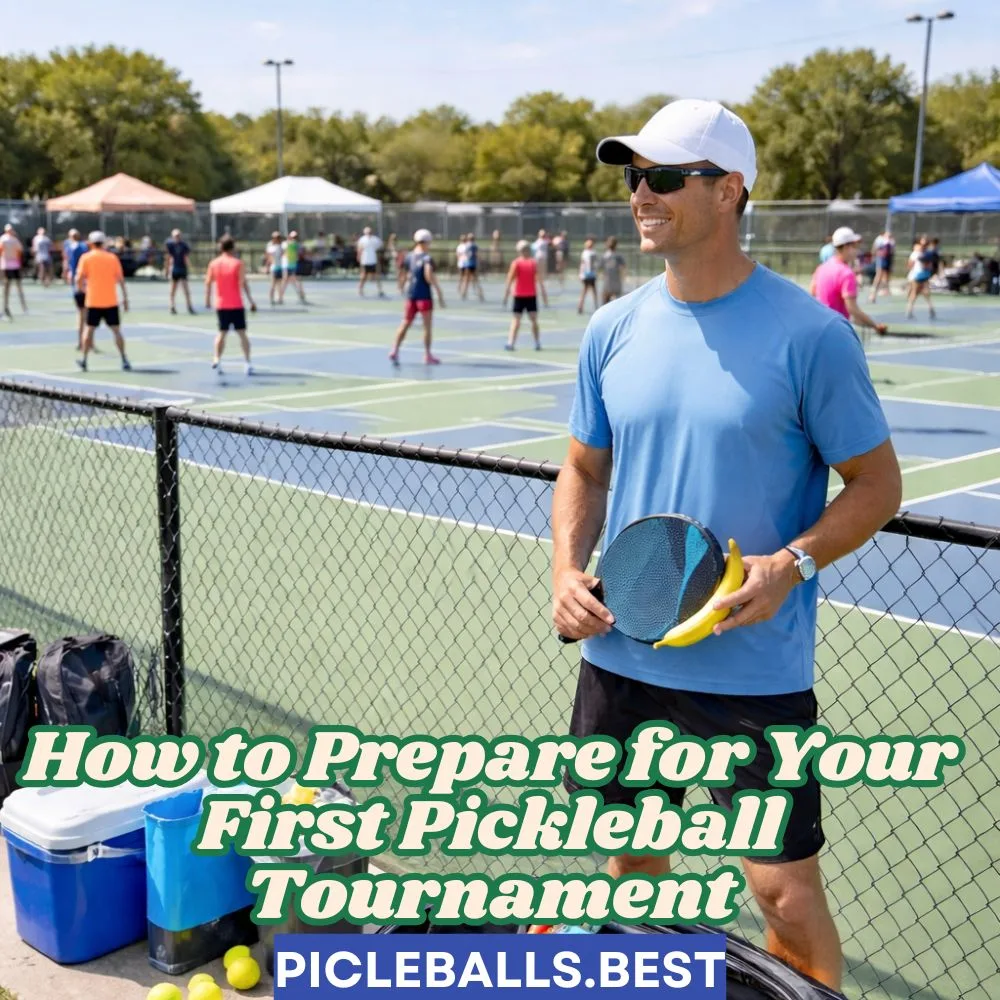
Pickleball has exploded into one of the fastest-growing sports in North America, and every day, thousands of recreational players take the next step and sign up for their first tournament. That decision is exciting — and for most people, immediately followed by a rush of anxiety. Am I ready? What do I bring? How do I even warm up? The truth is that talent alone rarely determines how well a first-time competitor performs. Preparation does. Players who walk in with a clear game plan, a packed bag, and a healthy mental framework almost always leave with a better experience than those who simply wing it. This guide covers every stage of preparation so you can show up confident, play your best, and — most importantly — enjoy yourself.
Choose the Right Tournament and Bracket
Before you practice a single drill, you need to make the right entry decision. Pickleball uses rating systems like DUPR (Dynamic Universal Pickleball Rating) to divide players into brackets. For most first-timers, a 2.5–3.0 beginner bracket is the ideal starting point. Entering too high a bracket sets you up for lopsided defeats; entering too low is unsporting and unfair to your opponents. Either way, the experience suffers. Tournaments fill up fast, so register early, confirm your start time well in advance, and study the format — whether it is a round robin, single elimination, or double elimination — so you know how many matches to expect and how to pace your energy throughout the day.
Train Smart: Drill More, Play Less
The weeks leading up to your tournament are not the time for casual rallies with friends. Replace recreational play with purposeful drilling. The shots that win the most points in competitive doubles are not power drives — they are the third-shot drop, the kitchen dink, the reset, and a reliable serve. These shots require hundreds of repetitions to become muscle memory under pressure. If you have a regular doubles partner, use practice time to build chemistry, decide court sides, and rehearse at least two or three set plays. Where possible, play practice matches against stronger opponents; they will expose weaknesses far more effectively than beating up on players at or below your own level.
Build a Strategic Game Plan
Entering a match without a game plan leaves you making tactical decisions in real time while also managing nerves, tracking score, and moving your feet. That is too much cognitive load for a first-timer. Keep it simple: agree with your partner on two or three principles before you walk on court. Popular beginner strategies include targeting the middle of the court to create confusion between opponents, exploiting a weaker backhand, or committing to the kitchen line early in every rally. A game plan also gives you something concrete to fall back on when you lose a few points in a row and your confidence wavers. Stay adaptable, but always start with structure.
Gear Up Properly
Your equipment does not need to be expensive, but it must be reliable and tournament-approved. Use the paddle you have been training with — now is not the time to debut a new one. Pack at least one backup paddle in case of breakage, and bring extra grip tape. Court shoes with lateral support are essential; running shoes were not designed for the quick side-to-side cuts that pickleball demands and can lead to rolled ankles. Additional bag essentials include moisture-wicking apparel, a second shirt, a towel, a hat or visor, sunscreen for outdoor courts, a foldable chair, your registration ID, and a phone charger.
Fuel and Hydrate Like an Athlete
Hydration begins the night before, not the morning of. Drink plenty of water and avoid alcohol in the 24 hours leading up to your tournament. On match day, eat a balanced, easily digestible meal two to three hours before your first game — nothing too heavy or greasy. During the event, graze on portable, energy-sustaining snacks: bananas, trail mix, granola bars, or peanut butter crackers work well. Electrolyte tabs or sports drinks are especially important at outdoor summer events where sweat loss is significant. One downside many first-timers overlook: tournament days can run six to eight hours, and failing to fuel properly results in a steep performance drop by the afternoon rounds.
Arrive Early and Acclimatize
Plan to arrive at the venue 45 to 60 minutes before your first scheduled match. This gives you time to check in at the registration desk, locate your assigned courts, scout the lighting — especially challenging in indoor gyms — assess the surface condition, and find warm-up courts. A proper pre-match warm-up including light jogging, dynamic stretching, shoulder rotations, and some easy dinking with your partner makes a measurable difference in how quickly you reach your peak performance. Players who rush in just before their first game often spend the entire opening match simply getting their timing calibrated.
Master Your Mental Game
Nervousness before a tournament is completely normal, even for experienced competitive athletes. The goal is not to eliminate those nerves but to channel them. In the minutes before your match, use controlled breathing: slow inhale through the nose, slow exhale through the mouth. Visualize two or three successful rallies — not the result of the match, just the execution of specific shots. During play, give yourself no more than a three-second window to acknowledge an error, then shift your focus entirely to the next point. Use your available timeouts strategically: if your opponent goes on a three-or-four-point run, call a timeout. It breaks their momentum, resets yours, and costs you nothing. Set a process-based goal — “I want to get to the kitchen line consistently” — rather than fixating on winning a medal.
Play High-Percentage Pickleball
Once you are on the court, resist every temptation to go for flashy, high-risk shots. Pickleball at the beginner and intermediate level is fundamentally a game of who makes fewer unforced errors. A well-placed, consistent shot beats a spectacular attempt nine times out of ten. Because nerves impair fine motor control, coaches recommend starting your third shots as controlled drives at roughly 70% power rather than attempting a technically demanding third-shot drop. This strategy reduces mistakes while still keeping your opponents on defense. Over the course of a match, let your opponents take the risks — your job is simply to outlast them.
Reflect, Learn, and Grow After Every Match
Regardless of your results, every tournament match is a free coaching session. If someone films your matches, review the footage that evening and look for patterns: recurring serve errors, poor footwork positioning, or predictable shot selection. Speak with your opponents after matches; most experienced players are happy to share constructive observations. Use what you discover to prioritize your next round of focused drilling. The players who improve fastest after their first tournament are not necessarily the most talented ones — they are the most reflective ones.
A Note on Potential Downsides
A few honest cautions: first, over-preparing can create its own anxiety — at some point, you simply have to trust your training and play. Second, if you entered too competitive a bracket or are physically undertrained for a full day of matches, fatigue and frustration are real risks. Manage your expectations accordingly. Third, the post-tournament emotional crash is real; many first-timers feel deflated regardless of results. Prepare for this by reframing success as showing up, competing, and learning rather than placing in the top three.
Conclusion: Show Up, Learn, Come Back Better
The players who thrive at their first pickleball tournament are not always the most gifted athletes in the draw. They are the ones who prepared purposefully, packed smartly, arrived early, played consistently, and walked away with a notebook full of lessons instead of a list of regrets. Follow the steps in this guide, embrace the nerves as part of the experience, and treat every match as a free lesson from the competitive world of pickleball. Your first tournament will not be your best — but with the right preparation, it will be the one that sets the foundation for everything that comes after.
#1 Pickball Paddles Set of 2 | #1 Pickball Paddles Set of 4 | #1 Pickball Single Paddle |
| 3000+ Reviews Free Shipping at Amazon.com | 200+ Reviews Free Shipping at Amazon.com | 800+ Reviews Free Shipping at Amazon.com |
Summary and FAQs
How should a beginner prepare for their first pickleball tournament?
Beginners should prepare for their first pickleball tournament by choosing the correct bracket, practicing essential shots through drills, developing a simple game plan with their partner, packing reliable equipment, and arriving early to warm up and adapt to the court environment.
What equipment and gear should you bring to a pickleball tournament?
Players should bring a reliable paddle, a backup paddle, court shoes with lateral support, extra grip tape, comfortable sports clothing, water, snacks, sunscreen, a towel, and any personal essentials needed for a full day of matches.
How do you choose the right bracket or skill level for your first pickleball competition?
Choosing the correct bracket involves evaluating your skill level and rating system such as DUPR, with most first-time competitors selecting the beginner range like the 2.5–3.0 bracket to ensure fair competition and a better tournament experience.
What are the most important shots to practice before entering a pickleball tournament?
Before a tournament, players should focus on practicing the third-shot drop, kitchen dinks, resets, consistent serves, and controlled drives because these high-percentage shots win more points in competitive pickleball.
What should you eat and drink on tournament day to maintain energy and performance?
On tournament day, players should stay hydrated, eat a balanced meal two to three hours before playing, and maintain energy with portable snacks such as bananas, trail mix, peanut butter crackers, granola bars, and electrolyte drinks.