
Pickleball footwork is the critical foundation of successful play, transforming ordinary players into strategic athletes. This comprehensive guide explores…

Pickleball footwork is the critical foundation of successful play, transforming ordinary players into strategic athletes. This comprehensive guide explores…
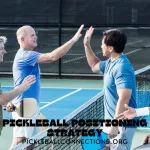
Pickleball positioning is a sophisticated strategic approach that transforms court movement into a competitive advantage. Beyond simple placement, it…

The article provides a comprehensive guide on developing and executing powerful pickleball serves while adhering to the sport’s underhand…
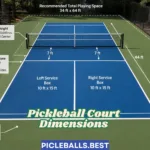
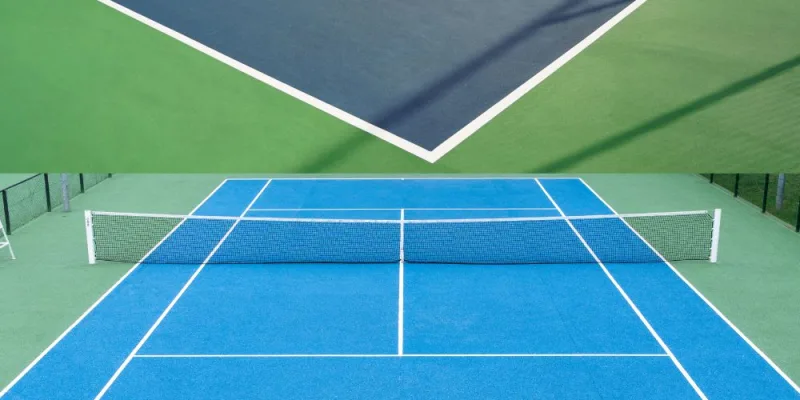
Pickleball court dimensions follow strict official standards that ensure fair and safe play. The court measures 20 feet wide…
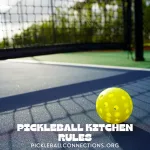
Pickleball’s kitchen rules, governing the non-volley zone near the net, are crucial to the sport’s unique gameplay. The kitchen,…

Pickleball faults are rule violations that stop play and can significantly impact the game’s outcome. Common faults include service…
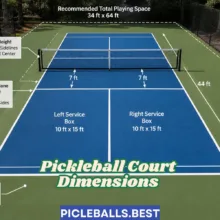
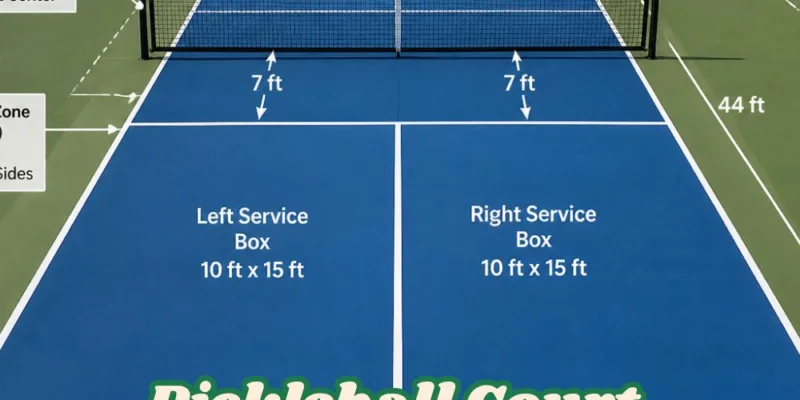
Pickleball court dimensions follow strict official standards that ensure fair and safe play. The court measures 20 feet wide by 44 feet long for both singles and doubles, with a recommended total space of 34 by 64 feet to allow safe movement. A key feature is the 7-foot non-volley zone, or kitchen, on each side of the net, which prevents aggressive net play and encourages strategic rallies. Service boxes measure 10 by 15 feet and are used…
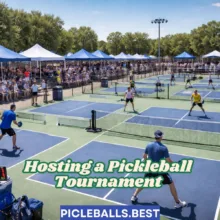
Hosting a pickleball tournament requires careful planning, organization, and attention to player experience. Organizers must begin by defining the tournament’s goals, audience, format, and budget to ensure the event runs smoothly and remains financially sustainable. Key preparations include securing a suitable venue, obtaining liability insurance and necessary permits, and establishing fair player divisions using rating systems such as DUPR or USAPA skill ratings. Modern tournament platforms simplify registration, scheduling, and score tracking, while volunteers and proper equipment…
Pickleball has rapidly evolved into one of the fastest-growing sports, making structured skill evaluation essential. Rating systems provide a numerical representation of a player’s ability, helping players find balanced matches, enter appropriate tournament divisions, and track improvement. It is important to distinguish between ratings and rankings: a rating measures skill level based on match performance, while a ranking shows a player’s position relative to others in a specific category or region. The sport historically used the USA…

Pickleball has rapidly become one of the fastest-growing sports in the United States, attracting players of all ages because it blends accessibility, competition, and social interaction. While casual open play helps beginners learn the game, joining a local pickleball league offers a more structured and rewarding experience. Leagues provide scheduled matches, tracked results, consistent opponents, and opportunities for measurable improvement. Players can choose from recreational, social, or competitive leagues depending on their goals and skill level. Platforms…
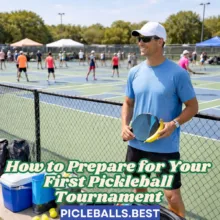
Preparing for your first pickleball tournament requires more than basic playing skills—it demands thoughtful preparation, strategy, and the right mindset. Beginners should start by selecting an appropriate tournament bracket based on their skill level to ensure fair competition. Training should focus on drilling essential shots like the third-shot drop, kitchen dinks, and resets rather than casual play. Players should also build a simple doubles strategy with their partner to reduce decision-making pressure during matches. Proper gear, including…