
Essential Pickleball Gear | Best Pickleballs
Essential pickleball gear encompasses both necessary equipment and safety considerations for players of all levels. While the sport can be started with minimal investment in basic items like a paddle, appropriate balls, and court shoes, additional equipment becomes important as players progress. The guide covers core equipment selection, including detailed paddle recommendations for different skill levels, the importance of proper footwear, and ball selection for various playing environments.
Safety gear, particularly eye protection and joint support, is emphasized as crucial for long-term enjoyment of the sport. The article also addresses climate-appropriate gear, storage solutions, and maintenance requirements, while noting potential drawbacks and budget considerations for each category. Understanding both the benefits and limitations of various equipment options helps players make informed decisions that support their development in the sport while maintaining a realistic budget approach to gear acquisition.
#1 Pickball Paddles Set of 2 | #1 Pickball Paddles Set of 4 | #1 Pickball Single Paddle |
 3000+ Reviews Free Shipping at Amazon.com |  200+ Reviews Free Shipping at Amazon.com |  800+ Reviews Free Shipping at Amazon.com |
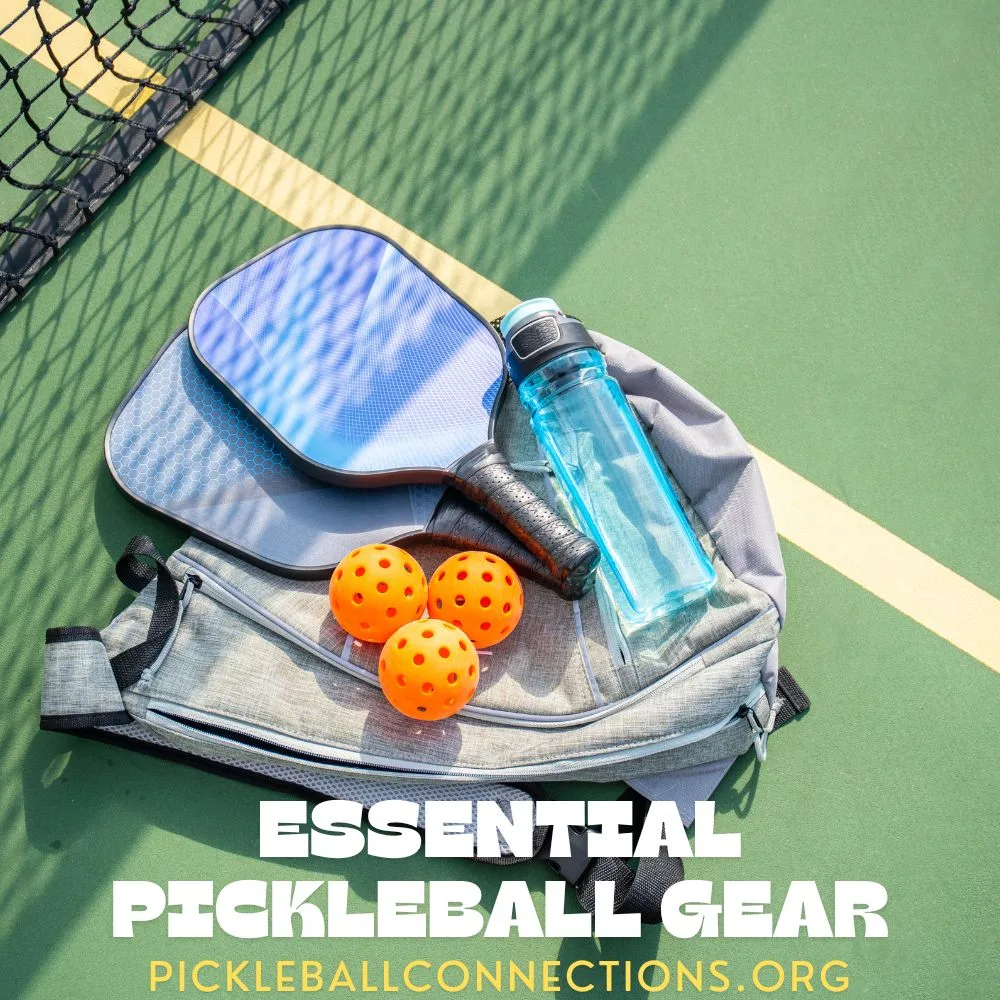
Essential Pickleball Gear: A Complete Guide
As pickleball continues its meteoric rise as America’s fastest-growing sport, choosing the right equipment has become increasingly important for players of all levels. Whether you’re just starting out or looking to upgrade your gear, this comprehensive guide will help you make informed decisions about essential pickleball equipment while being aware of potential drawbacks.
The Core Essentials
Pickleball Paddles
At the heart of every player’s kit is the paddle, with options ranging from budget-friendly wooden models ($20-30) to premium composite and graphite designs ($200+). While high-end paddles offer superior performance, they’re not necessarily the best choice for beginners.
Recommendations for different levels:
- Beginners: Look for lightweight paddles (7-8.5 oz) with larger sweet spots
- Intermediate: Mid-weight paddles with balanced power and control
- Advanced: Specialized paddles optimized for specific playing styles
Potential Downsides:
- Premium paddles can be prohibitively expensive
- Lighter paddles may lack power for competitive play
- Some expensive paddles may not be as durable as expected
Court-Specific Footwear
Proper footwear is crucial for both performance and safety. Unlike running shoes, court-specific shoes provide essential lateral stability and quick-stop capability.
Key features to look for:
- Non-marking soles
- Enhanced lateral support
- Reinforced toe and side areas
- Adequate cushioning for impact protection
Potential Downsides:
- Quality court shoes can be expensive ($80-150)
- May require different pairs for indoor/outdoor play
- Some pickleball-specific shoes have limited durability
Pickleball Balls
Ball selection varies significantly between indoor and outdoor play, with distinct characteristics for each environment.
Indoor Balls:
- Lighter weight with larger holes
- Slower flight characteristics
- Better durability on smooth surfaces
Outdoor Balls:
- Heavier with smaller holes
- Wind-resistant design
- More durable for rough surfaces
Potential Downsides:
- Outdoor balls typically only last 3-6 games in competitive play
- Quality balls can be expensive when purchased in bulk
- Storage conditions can significantly affect ball performance
Essential Safety Gear
Eye Protection
Given pickleball’s close-quarters nature and fast-paced action, proper eye protection is crucial but often overlooked.
Key considerations:
- Impact-resistant lenses
- Anti-fog coating
- UV protection for outdoor play
- Secure fit during quick movements
Potential Downsides:
- Quality eyewear can be expensive
- May take time to adjust to wearing during play
- Some designs can fog up during intense activity
Joint Support and Protection
Preventive gear becomes increasingly important, especially for older players or those with existing conditions.
Recommended items:
- Compression sleeves for elbows and knees
- Wrist supports
- Athletic tape for additional support
Potential Downsides:
- Can restrict movement if not properly sized
- May require periodic replacement
- Additional cost to maintain multiple support items
Storage and Transport Solutions
A good storage solution protects your investment while making transportation convenient. Options range from basic backpacks to specialized pickleball bags.
Features to consider:
- Padded compartments for paddles
- Ventilated ball storage
- Water bottle holders
- Weather-resistant materials
Potential Downsides:
- Specialized bags can be expensive ($40-100+)
- Larger bags may not fit in standard gym lockers
- Some designs prioritize style over functionality
Climate-Appropriate Gear
Weather conditions can significantly impact your comfort and performance, making appropriate clothing essential.
Essential items:
- Moisture-wicking apparel
- Sun protection (hats, sleeves)
- Layering options for variable conditions
- Grip-enhancing gloves for sweaty conditions
Potential Downsides:
- Quality moisture-wicking clothing can be expensive
- May need different sets for various weather conditions
- Some sun protection gear can restrict movement
Budget Considerations
While it’s possible to start playing pickleball with a minimal investment ($50-100), a complete kit of quality equipment typically requires a more substantial budget.
Smart purchasing strategies:
- Start with essential items from reputable mid-range brands
- Take advantage of demo programs before making major purchases
- Watch for seasonal sales and tournament specials
- Consider gently used equipment from experienced players
Potential Downsides:
- Quality gear requires significant upfront investment
- Cheaper equipment may need frequent replacement
- Demo programs may not be available in all areas
Maintenance and Care
Proper equipment care is essential for longevity and consistent performance.
Key maintenance tasks:
- Regular cleaning of paddle faces and grips
- Proper storage away from extreme temperatures
- Routine inspection of high-wear items
- Following manufacturer warranty guidelines
Potential Downsides:
- Quality cleaning supplies add to overall costs
- Time commitment for proper maintenance
- Some damage may not be covered by warranties
Final Thoughts
While the initial investment in quality pickleball gear may seem substantial, proper equipment selection and care can significantly enhance your playing experience and prevent injuries. Focus on acquiring essential items first, then gradually build your kit as your skills and commitment to the sport progress. Remember that the most expensive gear isn’t always the best choice – finding equipment that matches your playing style and skill level is more important than brand names or price tags.
By understanding both the benefits and drawbacks of various equipment options, you can make informed decisions that support your development in the sport while staying within your budget. As pickleball continues to evolve, staying informed about equipment innovations and maintaining your gear properly will help ensure the best possible playing experience.Remember that paddle weight is just one factor in equipment selection. Consider grip size, paddle face texture, and core material alongside weight when making your final choice. The ideal paddle weight allows comfortable play while minimizing fatigue and maximizing performance for your specific style and conditions.
#1 Pickball Balls | #1 Pickball Bag | #1 Pickball Portable Net |
 19500+ Reviews Free Shipping at Amazon.com |  2600+ Reviews Free Shipping at Amazon.com |  1800+ Reviews Free Shipping at Amazon.com |
Summary and FAQs
What’s the minimum equipment I need to start playing pickleball?
I’ll break down the minimum equipment needed to start playing pickleball in a clear, structured way:
Absolute Essential Equipment (Must-Have):
- Paddle:
- Budget: $30-50 for a quality beginner paddle
- Recommendation: Choose a lightweight paddle (7-8.5 oz) with a larger sweet spot
- Avoid: Super cheap wooden paddles under $20 as they can affect learning proper technique
- Court-Specific Shoes:
- Can use: Tennis, volleyball, or court shoes
- Key features needed:
- Non-marking soles
- Good lateral support
- Cushioning for impact
- Avoid: Running shoes (not designed for side-to-side movements)
- Appropriate Balls:
- Indoor or outdoor balls depending on your playing location
- Buy at least 2-3 balls to start
- Cost: $8-15 for a pack of balls
Strongly Recommended but Not Mandatory to Start:
- Eye Protection:
- Highly recommended for safety
- Basic sports glasses: $15-30
- Basic Athletic Wear:
- Moisture-wicking clothes
- Comfortable shorts/pants with pockets
Optional to Start (Can Add Later):
- Athletic support gear (wrist/knee supports)
- Basic paddle cover
- Water bottle holder
- Sun protection (hat/visor) for outdoor play
Total Minimum Investment:
- Budget Option: $50-100
- Recommended Basic Setup: $100-150
Remember: While you can start with just the absolute essentials, investing in proper shoes and eye protection early on is highly recommended for safety and injury prevention. It’s better to spend a bit more on these core items rather than buying the cheapest available options that you’ll need to replace quickly.
How do I know when it’s time to upgrade my paddle?
Based on the latest information and the article, here are the clear indicators that it’s time to upgrade your paddle:
Physical Signs:
- Paddle Wear & Tear:
- Visible surface damage or scratches
- Edge guard coming loose
- Grip becoming worn or slippery
- Dead spots developing on the paddle face
- Noticeable changes in sound when hitting
Performance Indicators:
- Skill Development:
- You’ve been playing consistently for 3-6 months
- Your technique has significantly improved
- You can consistently execute basic shots
- You’re starting to develop more advanced shots
- You’ve mastered basic control and want more power (or vice versa)
- Playing Level Changes:
- Starting to play competitively
- Entering tournaments
- Moving from recreational to more serious play
- Playing more frequently (3+ times per week)
- Joining leagues or organized play
Technical Limitations:
- Current Paddle Restrictions:
- Lack of power in your shots
- Difficulty generating spin
- Poor control on soft shots
- Weight feels too heavy or too light
- Sweet spot feels too small for your improved accuracy
Playing Style Evolution:
- Strategy Changes:
- Developing a more aggressive game style needing more power
- Focusing on control and finesse shots
- Moving towards a specific playing style (power player, control player, all-court player)
Budget Considerations:
- Before Upgrading:
- Make sure your technique is solid
- Test similar paddles from other players
- Consider demo programs from retailers
- Research paddle specifications that match your needs
- Set a realistic budget ($80-200 for quality upgraded paddles)
Important Notes:
- A new paddle won’t automatically improve your game
- Focus on technique development first
- Consider getting professional advice or lessons before investing in expensive equipment
- Test multiple paddles if possible before making a decision
- Check if your new paddle choice is approved for tournament play if you plan to compete
Are pickleball-specific shoes really necessary, or can I use my tennis shoes?
Based on the available information and article, here’s a detailed breakdown of the shoe situation for pickleball:
Tennis Shoes vs. Pickleball-Specific Shoes:
Tennis Shoes (Using Them for Pickleball)
✅ Advantages:
- Already designed for court sports
- Provide adequate lateral support
- Non-marking soles suitable for all courts
- Generally more affordable due to wider availability
- Easier to find in stores
- Proven durability for court movements
❌ Limitations:
- May not have specific reinforcement for pickleball movements
- Might wear differently due to pickleball’s unique movement patterns
- Could lack some pickleball-specific features
Pickleball-Specific Shoes
✅ Advantages:
- Designed for pickleball’s specific movement patterns
- Enhanced durability in high-wear areas common to pickleball
- Optimized for quick starts and stops
- Better toe dragging protection
- Specialized cushioning for pickleball court impacts
- Often lighter while maintaining stability
❌ Disadvantages:
- Usually more expensive ($80-150)
- Limited selection compared to tennis shoes
- May be harder to find in stores
- Newer to the market, less proven long-term durability
Key Features Needed (Regardless of Shoe Type):
- Must Have:
- Non-marking soles
- Good lateral support
- Adequate cushioning
- Breathable upper material
- Proper fit with room for movement
- Should Have:
- Reinforced toe area
- Durable outer sole
- Good arch support
- Quick-stop capability
Bottom Line:
- Tennis shoes are perfectly acceptable for pickleball
- Pickleball-specific shoes are beneficial but not necessary
- Focus on comfort and proper fit over specific branding
- Replace shoes when:
- Visible wear on soles
- Loss of cushioning
- Approximately every 60-80 hours of play
- Signs of lateral support breakdown
Final Recommendation:
If you already have good tennis shoes, use them. When it’s time to replace them, then consider pickleball-specific shoes if you’re playing regularly (3+ times per week) or competing. For casual players, quality tennis shoes remain a perfectly good option.
How often should I replace my equipment?
Based on the latest information and the article, here’s a comprehensive breakdown of equipment replacement timelines:
Paddles
- Regular Players (3+ times/week):
- Replace every 1-2 years
- Earlier if showing:
- Surface wear
- Edge guard damage
- Dead spots
- Performance decline
- Unusual sounds when hitting
- Casual Players (1-2 times/week):
- Can last 2-3 years
- Monitor for:
- Visible damage
- Grip deterioration
- Edge wear
Balls
- Outdoor Balls:
- Competitive play: Every 3-6 games
- Recreational play: Every 8-10 games
- Factors affecting lifespan:
- Court surface
- Temperature
- Playing intensity
- Brand quality
- Indoor Balls:
- Last significantly longer
- Replace when showing:
- Shape deformation
- Cracks
- Uneven flight patterns
- Typically every 15-20 games
Shoes
- Replacement Timeline:
- Every 60-80 hours of play
- Or every 4-6 months for regular players
- Signs to watch for:
- Worn tread pattern
- Reduced cushioning
- Weakened lateral support
- Visible wear marks
Grips
- Overgrip:
- Every 20-30 playing hours
- Or when showing:
- Slickness
- Discoloration
- Loss of tackiness
- Wear spots
- Replacement Grip:
- Every 6-12 months
- Or when losing shape/cushioning
Safety Gear
- Eye Protection:
- Annually
- Earlier if:
- Scratched lenses
- Loose fit
- Frame damage
- Joint Supports:
- Every 6-12 months
- Or when:
- Losing elasticity
- Showing wear
- Reduced support
Storage/Transport Equipment
- Bags:
- Every 2-3 years
- Check regularly for:
- Zipper function
- Strap integrity
- Padding condition
Maintenance Tips to Extend Equipment Life:
- Daily Care:
- Clean paddle face after play
- Dry equipment properly
- Store at room temperature
- Weekly Maintenance:
- Check grip condition
- Inspect paddle edges
- Clean shoes
- Monthly Check:
- Deep clean equipment
- Inspect for damage
- Review replacement needs
Factors Affecting Replacement Frequency:
- Playing frequency
- Playing style
- Weather conditions
- Storage practices
- Equipment quality
- Playing surface
- Level of competition
Remember:
- Quality equipment usually lasts longer
- Regular maintenance extends lifespan
- Don’t wait for complete failure to replace
- Keep backup equipment for critical items
- Consider seasonal replacements for heavily used items
Is expensive gear worth the investment for recreational players?
Based on the latest information and article, here’s a detailed analysis of whether expensive gear is worth it for recreational players:
Cost-Benefit Analysis by Equipment Type:
- Paddles ($20-200+)
Worth Investment:
- Mid-range paddles ($50-100)
- Good balance of quality and price
- Adequate for skill development
- Durable construction
- Reliable performance
Not Worth Investment:
- Premium paddles ($150+)
- Marginal performance benefits
- Benefits only noticeable at higher skill levels
- May not improve recreational play
- High cost-to-benefit ratio
- Shoes ($40-150)
Worth Investment:
- Quality court shoes ($70-100)
- Crucial for injury prevention
- Better durability
- Enhanced comfort
- Proper support
Not Worth Investment:
- Top-tier specialized shoes ($120+)
- Additional features unnecessary for casual play
- Similar protection as mid-range options
- Safety Equipment
Worth Investment:
- Quality eye protection ($30-50)
- Proper joint supports ($20-40)
Because: - Direct impact on safety
- Long-term injury prevention
- Reliable protection
- Better durability
- Balls
Worth Investment:
- Mid-range approved balls ($10-15/pack)
- Consistent performance
- Reasonable durability
- Better flight characteristics
Not Worth Investment:
- Premium tournament balls in bulk
- Similar performance to standard balls
- Higher replacement cost
Smart Investment Strategy for Recreational Players:
Priority Investments:
- Safety First:
- Quality court shoes
- Proper eye protection
- Basic protective gear
- Essential Equipment:
- Mid-range paddle
- Approved balls
- Basic accessories
Money-Saving Tips:
- Equipment:
- Start with mid-range gear
- Upgrade gradually
- Focus on fundamentals
- Test before buying
- Timing:
- Watch for sales
- Buy during off-season
- Look for package deals
- Consider last year’s models
- Maintenance:
- Proper care extends life
- Regular cleaning
- Appropriate storage
- Timely repairs
Final Recommendations:
Worth Spending More On:
- Court shoes
- Eye protection
- Basic paddle ($50-100)
- Proper grips
- Storage solutions
Not Worth Premium Prices:
- Professional-grade paddles
- Premium accessories
- Limited edition equipment
- Brand name clothing
Remember:
- Focus on:
- Proper technique
- Regular practice
- Basic equipment care
- Comfort and safety
- Avoid:
- Overspending on premium gear
- Buying based on brand name
- Neglecting essential safety items
- Skimping on shoes
Conclusion:
For recreational players, investing in mid-range equipment offers the best value. Prioritize safety gear and basic necessities over premium equipment. Good technique and consistent practice matter more than expensive gear for improving your game.


