
Ideal Pickleball Paddle Weight | Best Pickleballs
Pickleball paddle weight plays a crucial role in player performance and comfort, with modern paddles ranging from 6-9 ounces. The article explores three main weight categories: lightweight (6.0-7.2 oz) for maneuverability, midweight (7.3-8.2 oz) for balanced play, and heavyweight (8.3+ oz) for power generation. Each category offers distinct advantages and limitations, influenced by factors such as player physique, skill level, playing environment, and previous sports experience.
Professional players’ preferences vary, demonstrating the importance of personal choice. The guide emphasizes the significance of proper weight selection based on individual needs rather than following trends. Environmental factors, maintenance considerations, and emerging technologies also impact weight selection. Whether you’re a beginner starting with midweight paddles or an advanced player fine-tuning your equipment, understanding paddle weight dynamics helps optimize performance while minimizing fatigue and injury risks.
#1 Pickball Paddles Set of 2 | #1 Pickball Paddles Set of 4 | #1 Pickball Single Paddle |
 3000+ Reviews Free Shipping at Amazon.com |  200+ Reviews Free Shipping at Amazon.com |  800+ Reviews Free Shipping at Amazon.com |
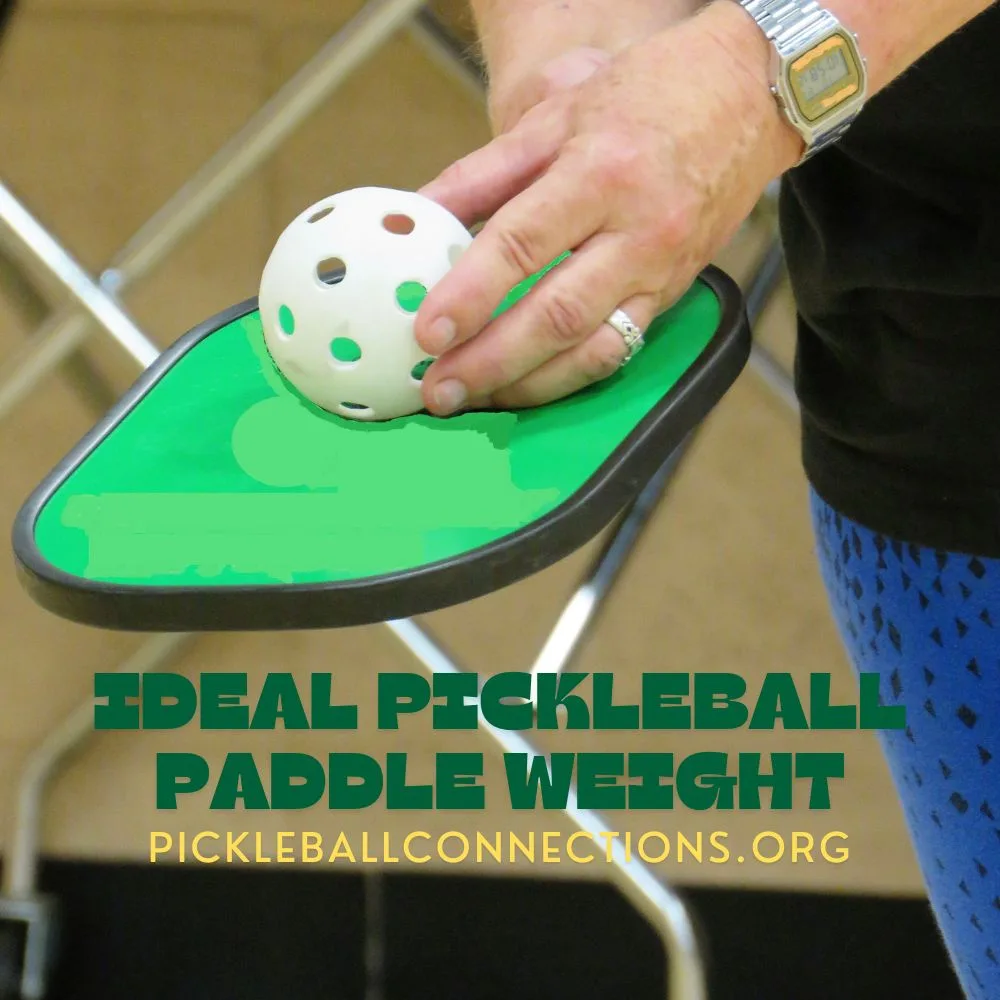
The Ultimate Guide to Pickleball Paddle Weight: Finding Your Perfect Match
The evolution of pickleball paddle weight has come a long way since the sport’s wooden paddle days in 1965. Modern technological advances have transformed paddles from hefty 10+ ounce wooden implements to today’s sophisticated composite designs ranging from 6-9 ounces. Understanding paddle weight is crucial for optimizing your game and preventing injury.
Understanding Weight Categories and Their Impact
Lightweight Paddles (6.0-7.2 oz) These paddles excel in maneuverability and quick reactions, making them ideal for players who prioritize fast-paced exchanges and precise dinking. Their primary advantages include reduced arm fatigue and superior control for precise shots. However, lightweight paddles come with notable downsides:
- Require more effort to generate power
- Less stability against heavy hits
- More susceptible to wind interference
- May struggle with extreme spin generation
Midweight Paddles (7.3-8.2 oz) Considered the “sweet spot” for many players, midweight paddles offer the best balance of power and control. Their versatility makes them suitable for both singles and doubles play. Professional players like Ben Johns prefer this range (7.8-8.0 oz) for its adaptability. However, potential drawbacks include:
- May not excel in any specific aspect of the game
- Could still cause fatigue in longer sessions
- Requires an adjustment period when switching from other weights
Heavyweight Paddles (8.3+ oz) These paddles naturally generate more power with less effort and provide excellent stability in windy conditions. Players transitioning from tennis, like Tyson McGuffin (8.0-8.3 oz), often prefer heavier paddles initially. Key disadvantages include:
- Reduced maneuverability
- Faster arm fatigue
- Slower reaction times
- May impact precise shot placement
Environmental Factors and Performance
Weather and playing conditions significantly influence ideal paddle weight selection:
Indoor vs. Outdoor Play
- Indoor players often benefit from lighter paddles for better maneuverability
- Outdoor players might prefer heavier paddles to combat wind resistance
- Humidity can affect paddle weight and grip tackiness
Temperature and Storage
- Climate-controlled storage helps maintain consistent paddle performance
- Temperature fluctuations can impact core materials and overall weight
- Grip replacement can affect weight by ±0.2-0.4 oz
Player-Specific Considerations
Physical Attributes
- Height: Taller players might benefit from lighter paddles to compensate for longer swing arcs
- Strength: Upper body strength directly influences optimal paddle weightPlayer-Specific Considerations
- Previous injuries: Players with arm or shoulder issues should generally opt for lighter paddles
Skill Level and Evolution
- Beginners: Start with midweight (7.3-7.8 oz) for balanced learning
- Intermediate: Experiment within 7.0-8.0 oz range as style develops
- Advanced: Highly specialized selection (6.8-8.3 oz) based on playing style
Sport Background
- Tennis players: Often start with heavier paddles (8.0+ oz) before transitioning lighter
- Table tennis players: Adapt better to lighter paddles (6.8-7.4 oz)
- No racquet sport experience: Midweight recommended for learning
Professional Insights and Trends
Professional Player Preferences
- Ben Johns: Midweight (7.8-8.0 oz) for versatility
- Anna Leigh Waters: Lighter paddles (7.3-7.6 oz) for quick reactions
- Tyson McGuffin: Slightly heavier paddles (8.0-8.3 oz) for power play
Emerging Technologies
- Carbon fiber materials enabling lighter paddles with improved power
- Weight distribution sensors for performance optimization
- Smart technology integration for performance tracking
- Customizable weight systems under development
Finding Your Ideal Weight: A Systematic Approach
- Initial Selection
- Start with a midweight paddle (7.3-7.8 oz) if unsure
- Consider your physical condition and playing style
- Factor in your primary playing environment
- Account for any previous injuries or limitations
- Testing Process
- Utilize demo programs when available
- Test multiple weights in your intended playing environment
- Pay attention to fatigue levels during extended play
- Consider seasonal adjustments for outdoor play
- Adaptation Period
- Allow 2-3 weeks for proper adaptation to new paddle weight
- Monitor arm and shoulder fatigue
- Track performance metrics if possible
- Be open to adjustments based on experience
- Regular Assessment
- Evaluate paddle performance seasonally
- Consider weight adjustments as skill level advances
- Monitor physical conditioning changes
- Stay informed about new technology developments
Maintenance Considerations
Proper maintenance ensures consistent paddle weight and performance:
- Regular grip replacement affects overall weight
- Monitor humidity exposure
- Store in climate-controlled environment
- Check for weight changes indicating potential issues
Final Recommendations
- Prioritize comfort and injury prevention over power or control
- Consider long-term development when selecting paddle weight
- Account for playing conditions and environment
- Allow adequate adaptation time when changing weights
- Stay open to weight adjustments as your game evolves
Remember that paddle weight is just one factor in equipment selection. Consider grip size, paddle face texture, and core material alongside weight when making your final choice. The ideal paddle weight allows comfortable play while minimizing fatigue and maximizing performance for your specific style and conditions.
#1 Pickball Paddles Set of 2 | #1 Pickball Paddles Set of 4 | #1 Pickball Single Paddle |
| 3000+ Reviews Free Shipping at Amazon.com | 200+ Reviews Free Shipping at Amazon.com | 800+ Reviews Free Shipping at Amazon.com |
Summary and FAQs
What paddle weight should beginners start with?
Beginners should start with midweight paddles in the range of 7.3-7.8 ounces. This recommendation makes sense because midweight paddles offer:
- Balanced learning experience
- Good mix of power and control
- Versatility for developing players
This weight range provides a good foundation as it:
- Isn’t too heavy to cause early fatigue
- Isn’t too light to make power generation difficult
- Allows players to develop proper technique without compensating for extreme weights
Keep in mind that this is a general recommendation, and individuals might need to adjust based on:
- Previous sports experience (tennis players might prefer heavier, table tennis players lighter)
- Physical attributes
- Any existing injuries or limitations
- Primary playing environment (indoor vs outdoor)
How does paddle weight affect arm fatigue and potential injuries?
Paddle weight has significant implications for arm fatigue and injury potential. Here’s a clear breakdown:
Lighter Paddles (6.0-7.2 oz):
- Reduce arm fatigue during extended play
- Better option for players with existing arm/shoulder injuries
- May require more arm effort to generate power, which could cause different types of strain
Midweight Paddles (7.3-8.2 oz):
- Can still cause fatigue in longer sessions
- Require an adjustment period for the arm to adapt
- Provide balanced strain on muscles and joints
Heavy Paddles (8.3+ oz):
- Lead to faster arm fatigue
- May increase injury risk due to increased stress on joints and muscles
- Generate power with less arm effort, but the overall weight can be taxing
Key Injury Prevention Considerations:
- Players with previous injuries should generally choose lighter paddles
- Allow 2-3 weeks adaptation period when changing paddle weights
- Monitor fatigue levels during extended play
- Consider physical condition when selecting paddle weight
- Regular assessment of how the paddle weight affects your body
Will changing from tennis to pickleball require a different paddle weight?
Tennis players transitioning to pickleball have specific paddle weight considerations:
Initial Transition:
- Tennis players typically prefer heavier paddles (8.0+ oz) at first
- This preference stems from familiarity with heavier tennis racquets
- Example: Pro player Tyson McGuffin (former tennis player) uses 8.0-8.3 oz paddles
Expected Evolution:
- Tennis players often start heavy but transition to lighter paddles over time
- This progression happens as they adapt to pickleball’s different mechanics
- The adjustment helps accommodate the faster-paced, close-net nature of pickleball
Recommendations for Tennis Players:
- Start with a heavier paddle for familiar feel
- Be open to gradually moving to lighter weights
- Consider the different playing style of pickleball
- Allow adequate adaptation time when changing weights
Keep in mind that while tennis background might suggest starting heavier, individual factors like:
- Physical condition
- Playing style preferences
- Any existing injuries
- Primary playing environment
How much does playing environment affect ideal paddle weight?
Playing environment significantly impacts ideal paddle weight selection. Here’s a detailed breakdown:
Indoor vs Outdoor Play:
- Indoor players benefit from lighter paddles
- Better maneuverability in controlled conditions
- Less need to combat environmental resistance
- Focuses on quick reactions and precise shots
- Outdoor players often prefer heavier paddles
- Better stability against wind resistance
- More consistent performance in variable conditions
- Helps maintain shot control in challenging conditions
Environmental Factors to Consider:
- Humidity
- Affects paddle weight naturally
- Impacts grip tackiness
- May require seasonal adjustments
- Temperature
- Influences core materials
- Affects overall paddle performance
- Requires proper storage consideration
Storage Recommendations:
- Keep paddles in climate-controlled environments
- Monitor for environmental effects
- Regular maintenance to maintain consistent performance
Seasonal Considerations:
- May need different weights for different seasons
- Regular assessment of paddle performance in changing conditions
- Consider having different paddles for indoor/outdoor play
Do professional players use specific paddle weights, and should I copy them?
According to the article, while professional players do have specific weight preferences, copying them isn’t necessarily recommended. Here’s why:
Professional Player Preferences:
- Ben Johns: Uses midweight (7.8-8.0 oz) for versatility
- Anna Leigh Waters: Prefers lighter paddles (7.3-7.6 oz) for quick reactions
- Tyson McGuffin: Opts for slightly heavier paddles (8.0-8.3 oz) for power play
Why You Shouldn’t Just Copy Pros:
- Individual Factors Matter More:
- Physical attributes
- Playing style
- Previous injuries
- Skill level
- Playing environment
- Skill Level Considerations:
- Beginners: Should start with midweight (7.3-7.8 oz)
- Intermediate: Should experiment within 7.0-8.0 oz range
- Advanced: Can be more specialized (6.8-8.3 oz) based on style
Better Approach Than Copying Pros:
- Start with recommended weight for your skill level
- Consider your physical condition
- Factor in your playing environment
- Allow proper adaptation time
- Adjust based on personal experience


